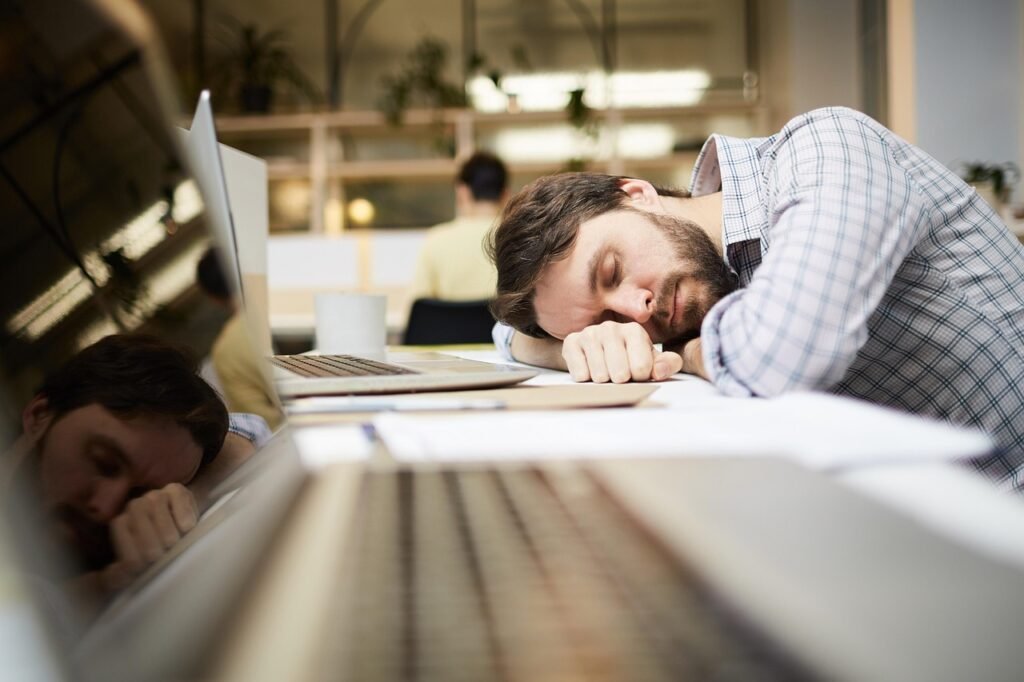
You wake up.
You check the time.
Eight hours.
You pause.
You wait for that superhero feeling.
It doesn’t arrive.
Instead, you feel like someone replaced your batteries with decorative ones.
And now you’re thinking:
“Why am I still tired after 8 hours of sleep?”
First — breathe.
Second — you’re not dramatic.
Third — this is more common than you think.
And no, your body isn’t broken. It’s just… misunderstood.
Let’s talk about the real causes of tiredness even after 8 hours sleep — without panic, without lectures, and without turning this into a medical textbook.
Just you. Me. And some truth.
1. You Slept… But You Didn’t Recover
Sleep has stages.
And not all stages are equal.
There’s light sleep.
There’s REM sleep (dreamland).
And then there’s deep sleep — the real MVP.
Deep sleep is when your body does maintenance.
Muscle repair.
Hormone balancing.
Cell cleanup.
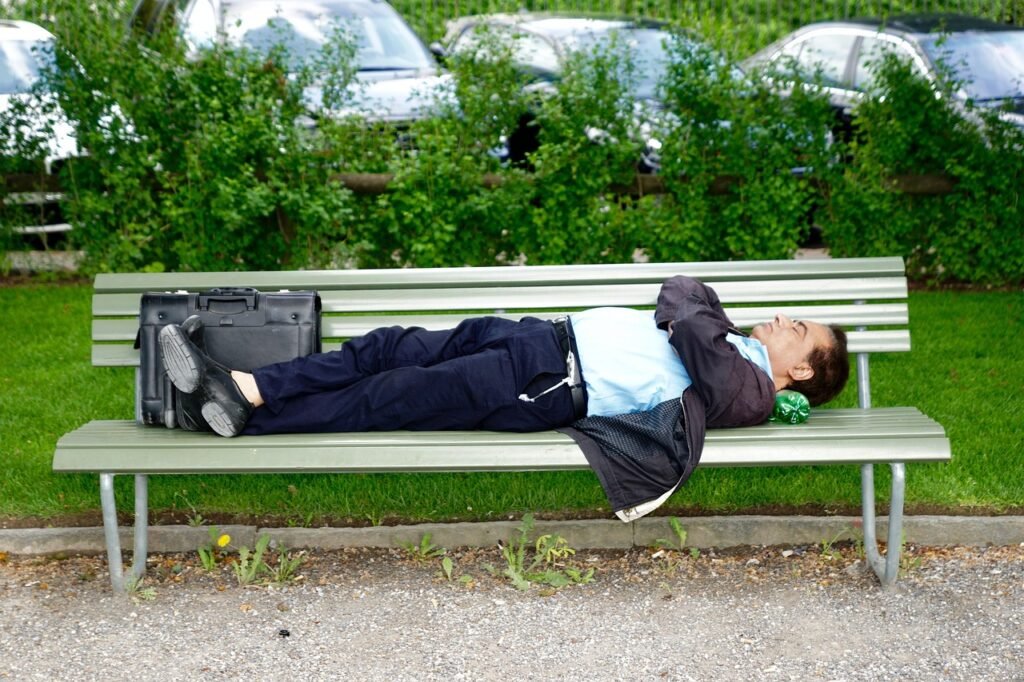
If deep sleep gets shortened — even if total sleep time says “8 hours” — you can wake up feeling like you only slept four.
And modern life is very good at shrinking deep sleep quietly.
No alarms.
No warning.
Just vibes.
You don’t notice it happening.
You just notice the morning feels heavier than it should.
Reassuring truth?
Deep sleep responds beautifully to small changes.
It’s not permanent damage.
It’s pattern-based.
And patterns can be reshaped.
2. Your Brain Might Be “Half Awake” All Night
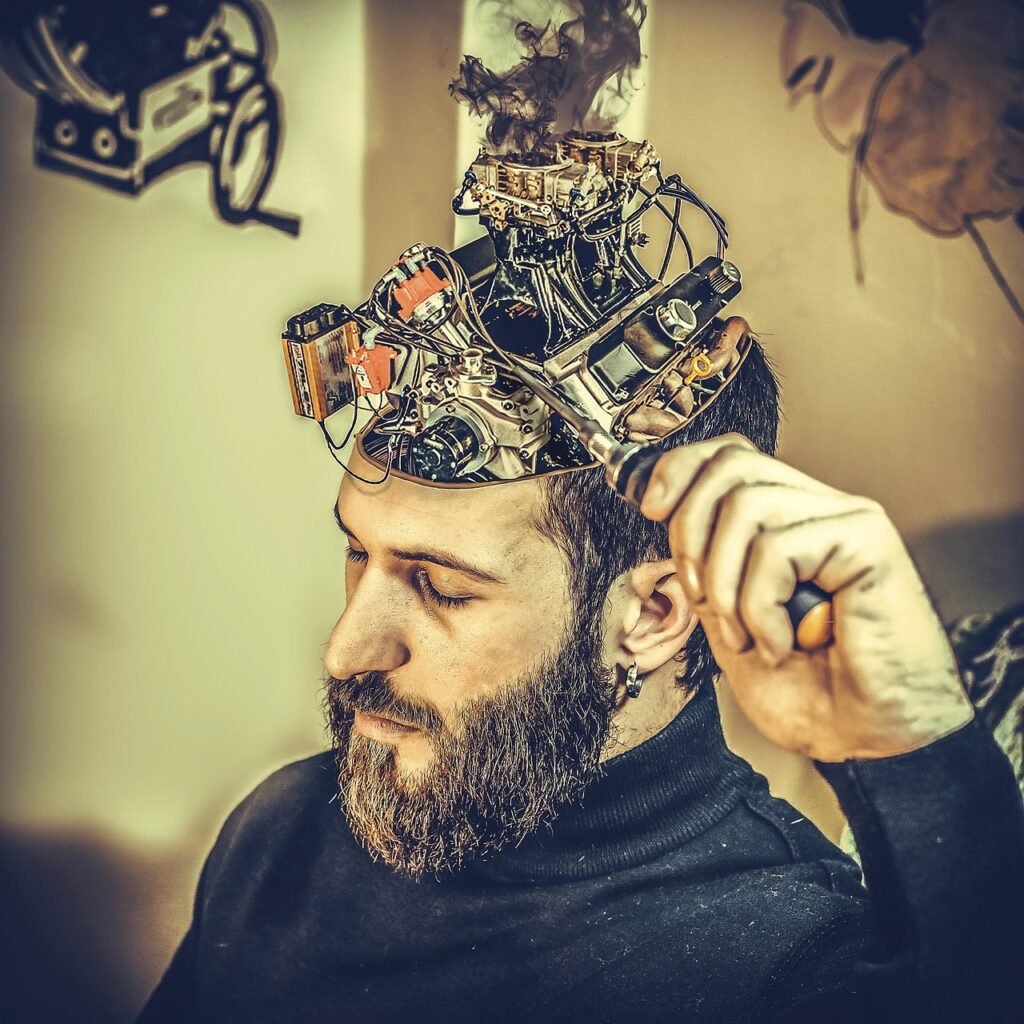
Even when you’re asleep… parts of your brain can stay alert.
Especially if:
- You went to bed stressed
- You scrolled until the last second
- You had a late intense conversation
- You fell asleep watching something stimulating
Your body may be horizontal.
But your nervous system might still be on “guard mode.”
This is sometimes called hyperarousal.
It doesn’t mean anything is wrong.
It just means your body thinks it needs to stay slightly alert.
So you wake up tired.
Because you weren’t fully “off.”
You were in airplane mode.
Not power off.
Big difference.
3. Your Circadian Rhythm Might Be Slightly Off (Even If You Sleep 8 Hours)

Your circadian rhythm is basically your body’s internal timing system.
And it cares about consistency more than duration.
Let’s say:
You sleep 11pm–7am on weekdays.
But 1am–9am on weekends.
That shift? It’s small socially.
But biologically?
It can feel like a mini jet lag.
This is sometimes called “social jet lag.”
And it’s one of the most underrated causes of tiredness even after 8 hours sleep.
You’re sleeping long enough.
But not rhythmically enough.
The body loves rhythm.
Not rebellion.
The comforting part?
It adjusts fast when patterns stabilize.
4. Stress Doesn’t Turn Off Just Because You Closed Your Eyes

Let’s talk cortisol.
Cortisol isn’t evil.
It’s your alertness hormone.
It helps you wake up.
Focus.
Respond.
But when stress lingers into the evening, cortisol may stay slightly elevated.
And that can subtly reduce sleep depth.
No drama.
No catastrophe.
Just lighter sleep than ideal.
You may not even remember waking.
But your body does.
And it keeps score.
That doesn’t mean you need to eliminate stress from your life.
(If that were possible, we’d all live in forests petting deer.)
It just means your wind-down routine matters more than you think.
5. Snoring Isn’t Always “Just Snoring”
Okay.
Gentle territory.
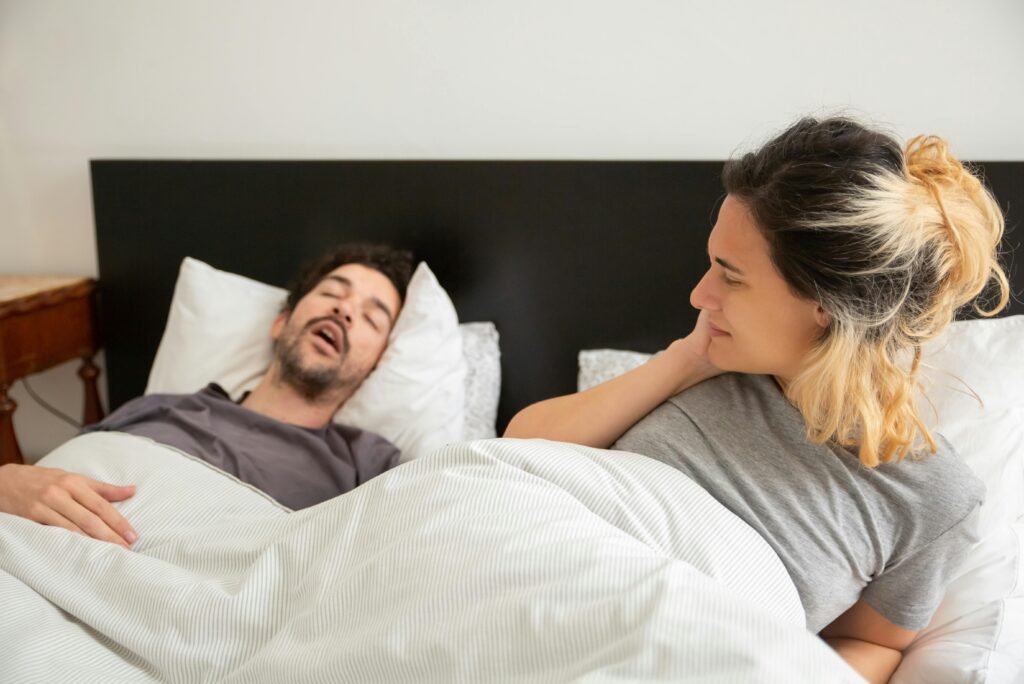
If someone has ever nudged you at night and said:
“You stopped breathing for a second.”
Or:
“You snore like a chainsaw with confidence.”
It might be worth observing.
Sleep-disordered breathing can fragment sleep quality.
Not always dramatically.
Sometimes subtly.
Even mild disruptions can reduce deep sleep cycles.
And here’s something reassuring:
This is common.
Very common.
And very manageable when identified.
The key word is observe.
Not panic.
6. Micronutrients: The Quiet Influencers

Energy isn’t just about sleep.
It’s about cellular fuel.
And certain nutrients play background roles in energy production.
For example:
Vitamin B12 supports nerve function.
Iron supports oxygen transport.
Vitamin D influences multiple body systems.
If levels are lower than optimal, fatigue can appear subtly.
Not extreme.
Just… “meh.”
Even mild imbalances can affect energy before other symptoms appear.
But again:
Common.
Fixable.
Nothing dramatic.
7. Alcohol Is a Sleep Illusionist

Alcohol can make you fall asleep faster.
But it may reduce deep sleep later in the night.
So you fall asleep thinking:
“Wow, that worked.”
And wake up thinking:
“Why do I feel like I fought the pillow?”
It’s not about moral judgment.
It’s about awareness.
Sometimes the thing that knocks you out is also what reduces sleep quality.
8. Blue Light Is Not Evil — Just Persistent

Blue light from screens may delay melatonin release.
Melatonin is your sleep timing hormone.
Not your sedation hormone.
Timing.
If melatonin release shifts slightly later, sleep depth may shift too.
And again:
You won’t notice it happening.
You’ll just notice mornings feel heavier.
You don’t need to throw your phone away.
Just maybe stop arguing with strangers online at midnight.
Your nervous system deserves peace.
9. Mental Load Is Real

You can sleep eight hours.
But if your brain is carrying:
Unfinished tasks.
Financial pressure.
Relationship tension.
Identity stress.
Sleep can become lighter.
Not broken.
Just lighter.
And lighter sleep = less restoration.
You’re not weak for feeling tired.
You’re human.
And humans think a lot.
10. Sleep Inertia

Ever woke up feeling confused, groggy, almost foggy?
That’s called sleep inertia.
It happens when you wake up during deep sleep.
Even if total sleep time was perfect.
It can last 15–60 minutes.
Sometimes longer.
It doesn’t mean anything is wrong.
It just means your timing was slightly off.
Fun fact?
Consistent wake times reduce sleep inertia over time.
Your brain likes predictability.
So… What Can You Gently Do?
Not overhaul your life.
Not panic.
Just experiment.
Keep wake time consistent.
Dim lights an hour before bed.
Give your brain 10 quiet minutes before sleep.
Track how you feel — not obsessively — just curiously.
If fatigue feels persistent, unusual, or concerning, that’s when professional guidance becomes helpful.
Not because you’re broken.
But because you deserve clarity.
The Bottom Line

If you’re tired after 8 hours of sleep…
You are not lazy.
You are not weak.
You are not failing adulthood.
The causes of tiredness even after 8 hours sleep are often subtle, layered, and fixable.
Sleep quality.
Stress patterns.
Circadian rhythm shifts.
Nutrient balance.
Breathing disruptions.
None of these mean disaster.
They mean adjustment.
Your body is adaptive.
It wants equilibrium.
And it usually moves toward it when given consistency.
So tonight?
Don’t aim for perfection.
Aim for slightly better.
Your body notices.
Even when you don’t.
References
- Sleep Foundation – Stages of Sleep: https://www.sleepfoundation.org/stages-of-sleep/slow-wave-sleep
- American Academy of Sleep Medicine – Sleep Apnea Factsheet: https://aasm.org/resources/factsheets/sleep-apnea.pdf
- Sleep Foundation – Sleep and Testosterone: https://www.sleepfoundation.org/physical-health/sleep-and-testosterone
- NIH Office of Dietary Supplements – Vitamin B12: https://ods.od.nih.gov/factsheets/VitaminB12-Consumer/
- Harvard Health – Blue Light & Sleep: https://www.health.harvard.edu/staying-healthy/blue-light-has-a-dark-side
- Sleep Foundation – Alcohol and Sleep: https://www.sleepfoundation.org/nutrition/alcohol-and-sleep
- PubMed – Cortisol & Sleep Deprivation: https://pubmed.ncbi.nlm.nih.gov/11061508
Disclaimer
This article is for informational purposes only. It is not a substitute for professional medical advice. Always consult a qualified healthcare provider for guidance specific to your health.